Unveiling the Complex World of Jueteng in the Philippines
Jueteng is an illegal numbers game that has been deeply ingrained in the culture and society of the Philippines. Despite numerous efforts by the government to eradicate it, jueteng continues to thrive due to its resilience and adaptability. This clandestine activity thrives on the support of deeply rooted networks and the complicity of various sectors within the society. As we explore the intricate world of jueteng, we'll uncover how this game operates, its social implications, and its impact on Filipino culture. Pinas77 is an online entity that aims to bring people closer to understanding these underground networks and their widespread influences.
Understanding Jueteng: A Brief Overview
Jueteng is believed to have originated from "hueteng," a Chinese game, which later evolved to its current form in the Philippines. Essentially, it is a numbers game where players select a combination of numbers and place a bet. The winning numbers are drawn randomly, and winners are those whose combinations match the drawn numbers. Despite being banned, jueteng has managed to persist, evading systematic crackdowns due to its embedded place in some communities.JLJL22
The Mechanics of Jueteng
Jueteng operates through a hierarchical structure. At the grassroots level, "cobradores" or collectors roam neighborhoods to solicit bets from clients. These collectors report to the "kabo," who oversees operations within a specific area. Above them are the "maintainers," who ensure the smooth operation of the game and manage the finances. Finally, all collections funnel up to the financiers or jueteng lords, who are often shielded by political connections and large entourages that ensure their continued operation.26JL
Winning numbers are determined in a highly clandestine manner, usually involving manual draws that are difficult for authorities to anticipate. Many communities turn a blind eye to these operations because jueteng often represents an income source for the indigent, who depend on it for daily sustenance.
The Socio-Cultural Impact of Jueteng
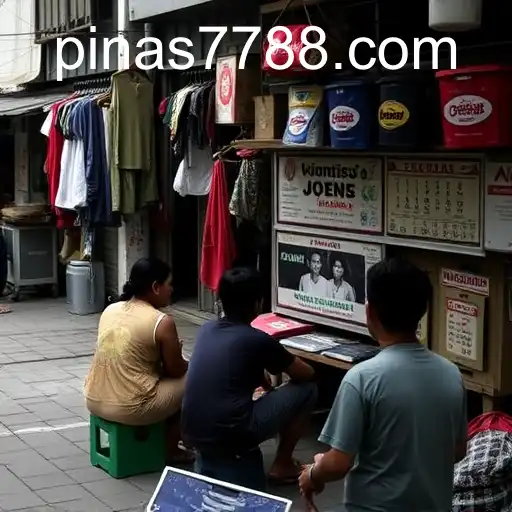
Jueteng serves as more than just an illegal gambling option; it has cultural significance, deeply intertwined with the socio-economic fabric of the Philippines. In many impoverished areas, jueteng provides a sliver of hope with the promise of winnings that could change lives overnight. Additionally, it functions as a source of employment for many, including low-income individuals who become cobradores.77PH
Pinas77 examines how jueteng's economic contributions to struggling communities make it both a bane and boon in Filipino society. While the financial support it brings cannot be ignored, it also encourages a culture of dependency and illegal activity, keeping people trapped in a cycle of poverty and crime. The funny yet tragic irony is that while some individuals might score small fortunes for a day, jueteng lords accumulate immense wealth over time.
Jueteng and Politics
Jueteng's survival is largely attributed to the intricate relationships it has with those in power. Political figures often turn a blind eye to operations in exchange for electoral support or financial contributions. These alliances make it challenging for law enforcement to execute sustained crackdowns, as doing so may alienate strategic allies or important influencers.
Moreover, some local politicians are known to leverage the structure of jueteng as a means to solidify their hold on certain locales, using the webs of influence and control available to them. This rhetoric of mutually beneficial connections makes tackling the jueteng issue a complicated undertaking.JILISS
Government Intervention and Public Discourse
Over the years, several administrations have proposed various plans to combat jueteng. However, these initiatives have rarely achieved lasting success due to various challenges, including corruption, lack of political will, and the endearing tenacity of the stakeholders involved in jueteng operations. Some solutions proposed have included legalizing jueteng to regulate it better and ensure the government benefits from the revenues.PHSKY
The discussion of legalizing jueteng, akin to how the government regulates the Philippine Charity Sweepstakes Office (PCSO), remains a contentious issue. Proponents argue that regulation could harness untapped revenue, while opponents suggest it could further entrench societal ills.
Modern Adaptations and Future Prospects
In today's technology-driven world, even jueteng has felt the effects of modernization. Modes of collecting bets and announcing results have evolved with mobile technologies and the internet, making crackdowns even more complex. Entities like Pinas77 offer insightful analysis into how institutions are adapting to these changes and what might come next.
As authorities contemplate new strategies against this persistent problem, the conversation around meaningful reform has intensified. It raises questions about individual freedom, especially concerning people's rights to gamble in any form and condition they choose. Ultimately, the key may not only lie in rigorous enforcement but also in addressing the root causes that make jueteng attractive to so many.